Mainul Hossain Pinnu, Bangkok, Thailand
The war in the Middle East has created instability in the global energy sector, putting Bangladesh under pressure as well. Finance Minister Amir Khasru Mahmud Chowdhury has said Bangladesh will seek assistance from the World Bank to address the energy crisis and manage the additional financial burden. Discussions with the World Bank are underway, and both sides are also working on a framework agreement, he said.
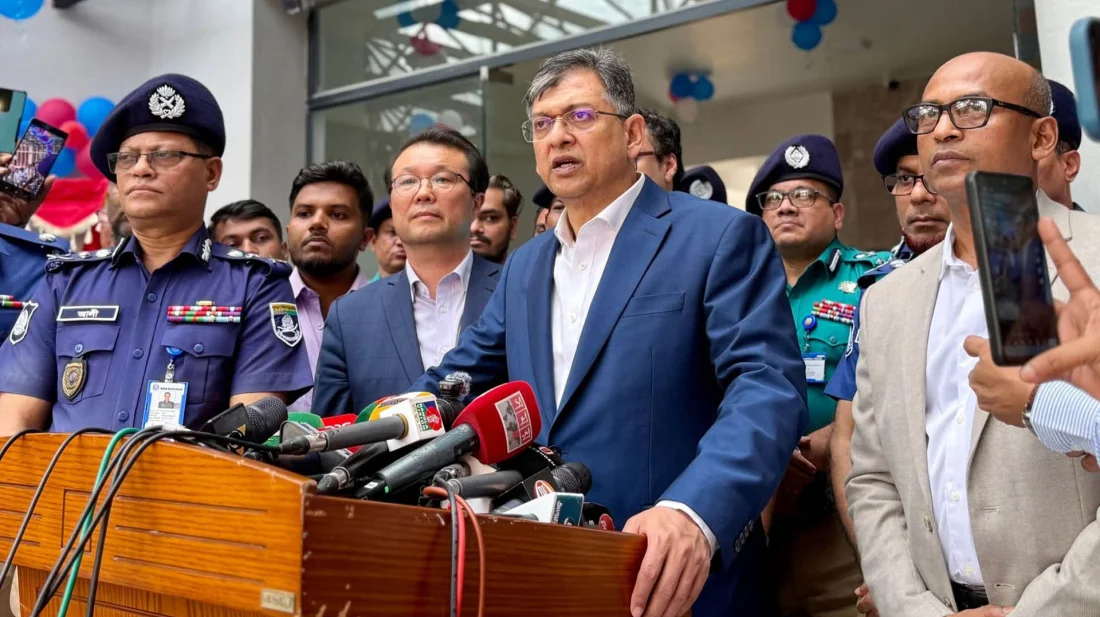
The finance minister made the remarks while speaking to journalists on Monday (October 12), at the start of his participation in the 2026 Annual Meetings of the International Monetary Fund (IMF) and the World Bank Group.
One of the world's largest and most influential policy-making gatherings on the global economy began today. Thailand is hosting the global conference again after 35 years. More than 15,000 delegates from 191 countries, including finance ministers, central bank governors, development policymakers, private-sector executives, researchers, civil society representatives and business leaders, are already in Thailand. Over the week, they will discuss major issues, including the global economic outlook, financial stability and poverty reduction.
Among the prominent leaders attending the meetings are Swiss President Guy Parmelin and Singaporean President Tharman Shanmugaratnam. Parmelin's visit marks the first visit to Thailand by a Swiss president in 22 years. Bangladesh is represented by a delegation led by Finance and Planning Minister Amir Khasru Mahmud Chowdhury, Finance and Planning Adviser Professor Dr Rashed Al Mahmud Titumir, and Bangladesh Bank Governor Md Mostakur Rahman.
The finance minister said Bangladesh is facing additional expenditure in the energy sector under the current circumstances. Financial protection is needed to manage this pressure, he said, adding that the World Bank has shown a positive attitude towards providing assistance. He expressed hope that the institution would continue to support Bangladesh in the future.
Amir Khasru Mahmud Chowdhury said Bangladesh's cooperation with the World Bank is not limited to existing funding arrangements. Assistance is also needed to address the effects of global instability and the energy crisis. These issues have been discussed with the institution, he added.
He said discussions and procedural work on a framework agreement with the World Bank are underway. The two sides are also discussing how to make cooperation more effective under their partnership.
The finance minister further said it was important to align ongoing initiatives with the goals and objectives outlined in the government's election manifesto. He expressed hope that both sides would move forward through mutual coordination.
Asked about progress in the discussions with the World Bank, Amir Khasru Mahmud Chowdhury said the process was still underway and talks would continue. Overall, he said, Bangladesh was moving in the right direction.
Restoring Discipline in Banking, Increasing Tax Revenue
Restoring discipline in the financial sector has emerged as one of the major challenges facing the economy, according to the Prime Minister's Finance and Planning Adviser. He alleged that ordinary citizens are now bearing the consequences of irregularities and lending-related disorder during the previous government.
Restoring confidence in the banking sector and rebuilding the weakened financial system will require recapitalisation, he said. Discussions are underway with various institutions, including the International Finance Corporation (IFC), on the matter.
He said achieving the goals of higher investment and employment would be difficult without restoring stability in the banking sector. He also stressed the need to increase the tax-to-GDP ratio, noting that tax exemptions and irregularities in tax administration had reduced revenue collection in the past.
As a result, the government's fiscal deficit had increased, making it difficult to meet necessary expenditures on social protection and development, he said.
The government's objectives include restoring discipline in the financial sector, increasing revenue collection, expanding social protection and creating new jobs through industrialisation. Bangladesh intends to implement its reform programme by aligning the priorities of international development partners with its own policy objectives.
Family Cards to Reduce Poverty, Expand Social Protection
Expanding social protection programmes is another important component of the government's reform plans.
Rashed Al Mahmud Titumir said recent World Bank reports had also highlighted rising poverty during the previous government. Against this backdrop, the government plans to support disadvantaged people through programmes such as family cards.
Citing assessments by independent research institutions, he claimed that implementing such programmes could reduce the poverty rate by around five percentage points over five years. However, the potential outcome would depend on the programme's coverage, implementation methods and financing.
The government is seeking to coordinate funding from international development partners with domestic and foreign investment and the mobilisation of internal resources to fulfil the commitments made in its election manifesto.
Plan for Negative-Interest Financing to Reopen Closed Factories
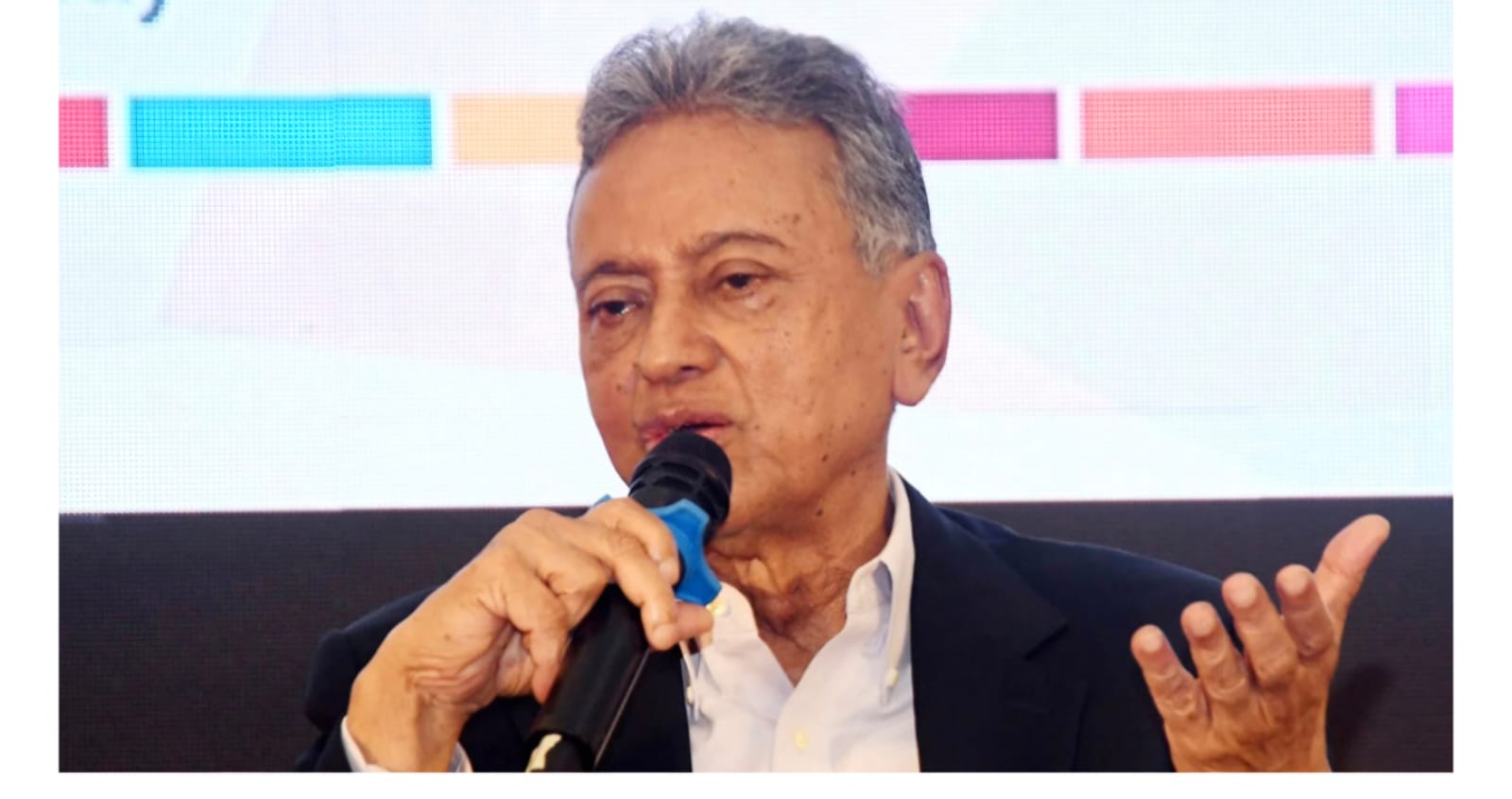
The Prime Minister's Finance and Planning Adviser said the government plans to introduce financing at a negative interest rate of seven per cent to reopen closed factories and encourage new investment.
However, he did not provide details about the scope of the financing, its terms, the selection of beneficiaries or the implementation process.
According to the adviser, the number of educated and young unemployed people is increasing, while many factories remain closed. A coordinated effort is needed to increase production, develop new entrepreneurs and create jobs, he said.
The government expects that revitalising production-oriented sectors through international financing and investment will restore momentum to the economy. At the same time, expanding social protection programmes could help ease the economic pressure on low-income households.
Focus on Agriculture and Food Processing to Attract Thai Investment
Alongside economic recovery, Bangladesh is seeking to expand trade and investment ties with Thailand to increase production and exports.
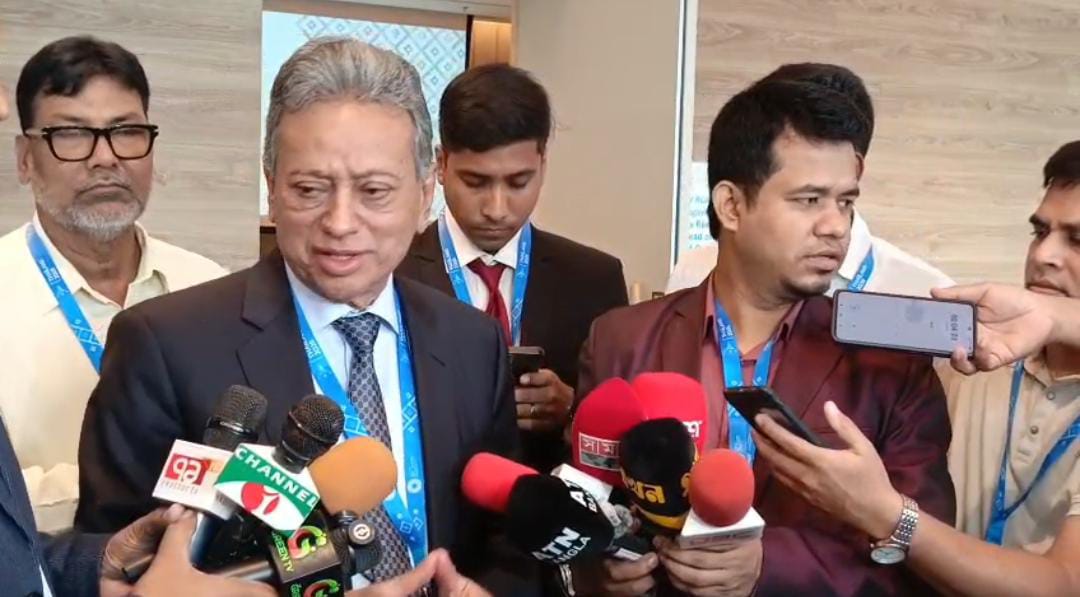
Rashed Al Mahmud Titumir said several promising sectors for investment in Bangladesh were highlighted during a meeting with the Thai Chamber of Commerce. Thai investors have shown interest in processing agricultural products, fruits, dairy products and halal food, he said.
During the harvest seasons, Bangladesh often has a surplus of fruits such as mangoes, jackfruit and lychees. However, many products go to waste because of inadequate cold-storage facilities and processing capacity. Farmers consequently often fail to receive fair prices.
Processing these products could help meet domestic demand while creating export opportunities in the international halal food market.
The government does not want merely to reduce the trade deficit between the two countries; it also aims to establish effective links between production and supply chains. The possibility of creating joint production networks has also been discussed.
Under such arrangements, raw materials for a product could be produced in Bangladesh, intermediate goods manufactured in Thailand, and the final product subsequently assembled or produced for export. The reverse arrangement could also be developed for certain products.
Plan to Expand Maritime Connectivity Between Chattogram and Ranong
Discussions have also taken place on expanding maritime connectivity between Bangladesh's Chattogram Port and Thailand's Ranong Port. Strengthening this link could facilitate the transportation of goods and create opportunities to expand regional trade.
The government is also placing importance on leveraging the benefits of free trade agreements (FTAs) with ASEAN member states and the Regional Comprehensive Economic Partnership (RCEP) framework.
These initiatives could help Bangladesh increase exports to the wider regional market by taking advantage of tariff preferences.
According to the adviser, Thailand is interested in expanding cooperation in several areas, including agriculture and agricultural products, maritime connectivity and the harvesting of fisheries resources in the Bay of Bengal.
Expectations for Investment from China, Japan and the United States
The government wants to diversify its sources of financing rather than rely solely on multilateral development partners. Rashed Al Mahmud Titumir said the government had been in contact with companies and institutions in China, Japan and the United States, as well as international investors.
He said Chinese investment had already begun and that contacts had been made with Japanese companies such as Toyota and Marubeni Corporation. A US delegation had also visited Bangladesh.
He also mentioned contacts with Silicon Valley-based Plug and Play and major companies in the technology sector.
The adviser claimed that expectations of political stability and policy continuity were generating interest among investors. The government's goal is to coordinate financing from international development partners, foreign investment and domestic resource mobilisation to advance economic recovery and reconstruction.
He further said Bangladesh's cooperation with the World Bank, the Asian Development Bank (ADB), the Asian Infrastructure Investment Bank (AIIB) and the Islamic Development Bank was expanding. He also noted that the ADB had already announced $5 billion in assistance.
Government Ownership of Reforms, Implementation the Biggest Test
According to Rashed Al Mahmud Titumir, the government has a five-year economic strategy for recovery, restoration and rapid reconstruction. Several fundamental elements of the strategy align with reform proposals from the World Bank and the IMF, he said. However, the government will retain primary responsibility for and ownership of the reforms.
The government expects policy coordination to help make the reform programme sustainable. The effectiveness of these initiatives, however, will depend on securing financing, implementing reforms, improving the investment climate and making tangible progress in job creation.
Amid global instability, Bangladesh faces multiple economic challenges, including managing higher energy costs, restoring confidence in the banking sector, increasing revenue and reopening closed industrial units.
Economic observers will now be watching how quickly the government can translate policy alignment with the World Bank and the IMF, along with investment interest from Thailand and other countries, into tangible results for the economy.
Bangladesh Seeks World Bank Support to Tackle Energy Crisis: Finance Minister
Read More