Mainul Hossain Pinnu, Bangkok, Thailand
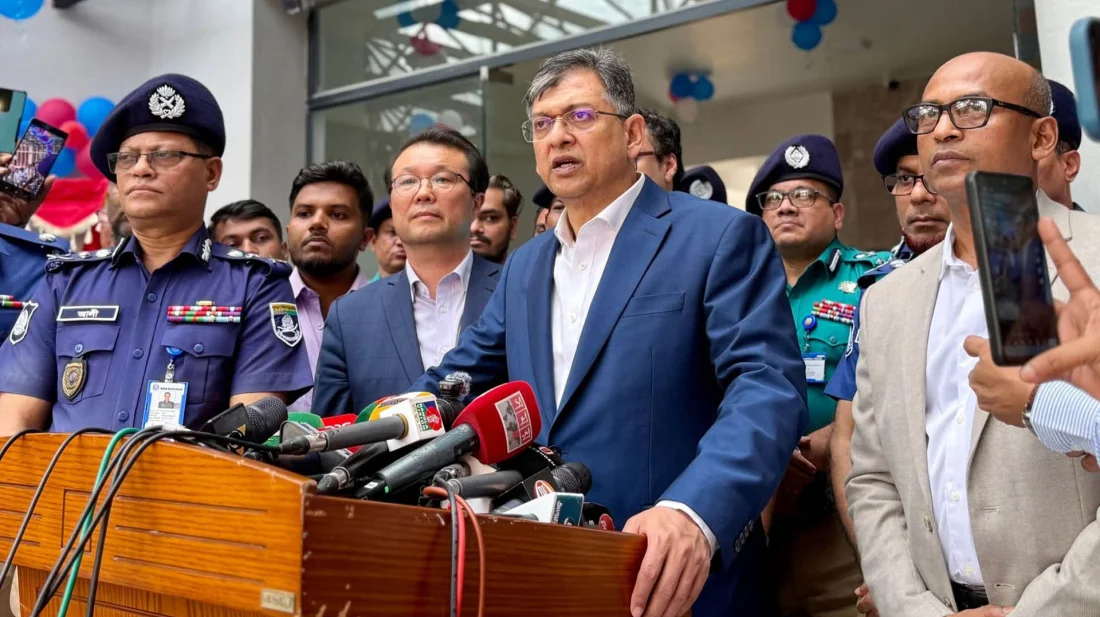
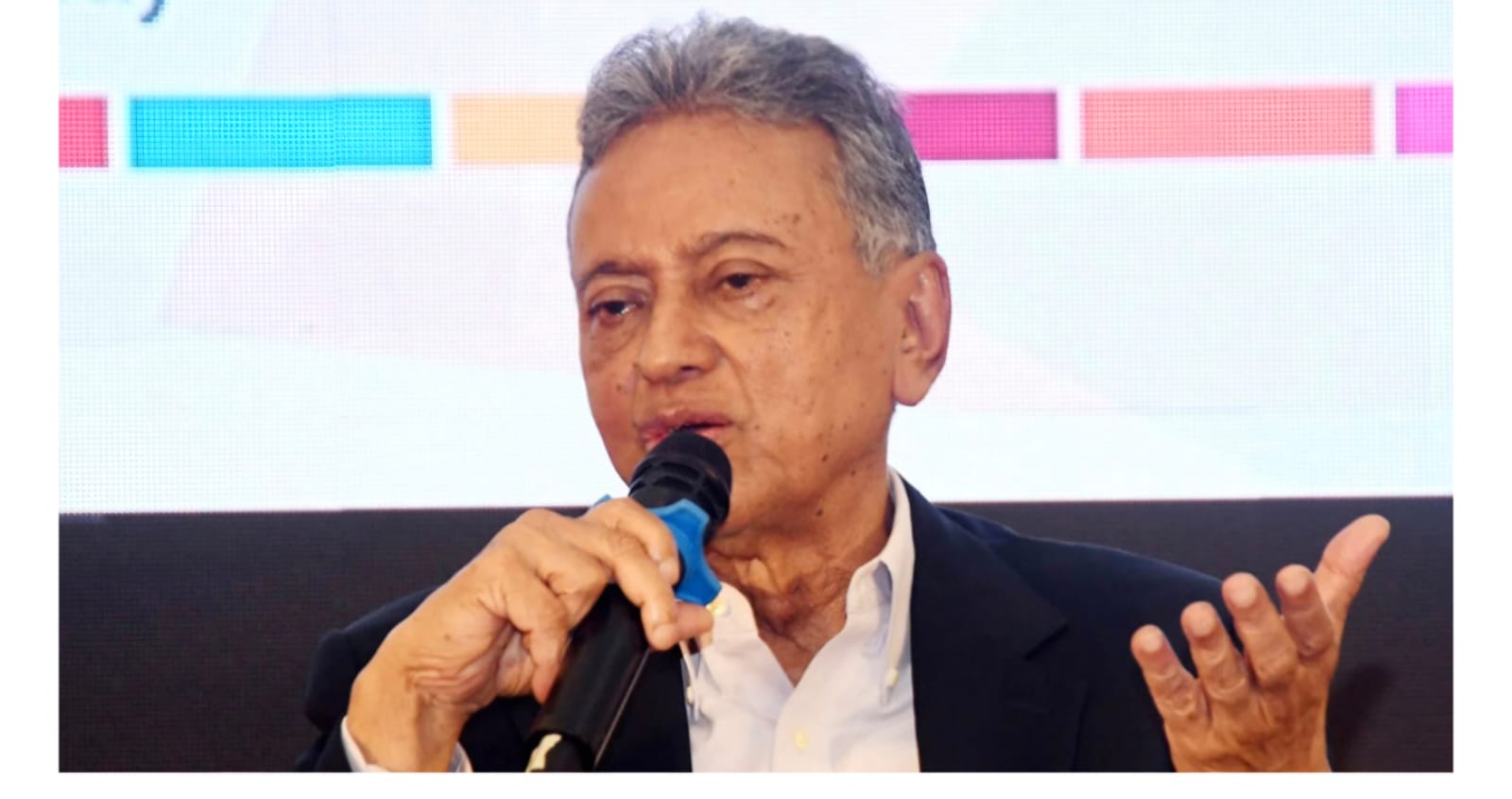
Finance Minister Amir Khosru Mahmud Chowdhury has said the government is not worried about the International Monetary Fund’s (IMF) concerns over Bangladesh’s economy. He said the government was working to achieve the economic targets set in the national budget and expected to meet its projections.
Meanwhile, Bangladesh is discussing an additional $10 billion in support from the World Bank to restore economic stability and implement its medium- and long-term development plans. However, no final decision has been made, and the discussions and subsequent procedures could take several more months.
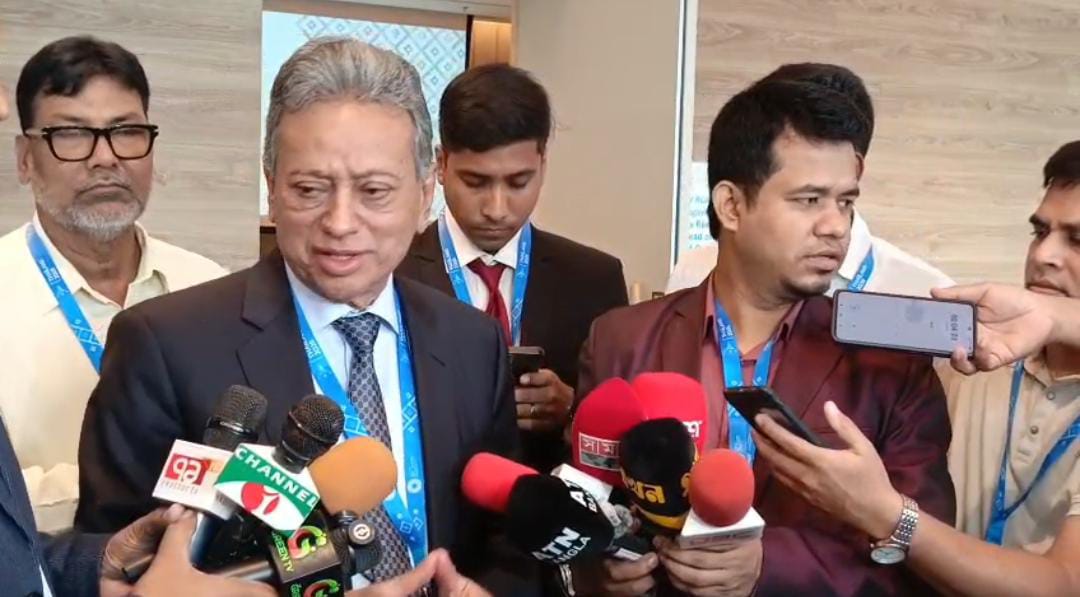
The finance minister made the remarks while responding to questions from journalists after a meeting with a World Bank managing director in Bangkok, Thailand, on Tuesday (October 13).
The discussions with the World Bank come as the IMF has forecast a slowdown in Bangladesh’s economic growth. In its October 2026 World Economic Outlook, the IMF projected that Bangladesh’s gross domestic product (GDP) growth could fall to 3.2 percent in the 2026–27 fiscal year. Average inflation could rise to 10.9 percent over the same period.
According to the IMF’s projections, Bangladesh’s economic growth could stand at 3.6 percent in the 2025–26 fiscal year, while average inflation could reach 8.7 percent. The projections suggest that growth could slow further and inflationary pressure could intensify in the following fiscal year.
The finance minister said the government did not want to dispute the forecasts of other institutions. He noted that the World Bank and the Asian Development Bank (ADB) had prepared their projections based on their own calculations and analyses.
Discussions With World Bank Ongoing
The finance minister said discussions were underway with the World Bank on securing an additional $10 billion in support. No decision would be made immediately, he said, adding that the next steps would be determined based on the outcome of the discussions.
He described the process as ongoing and said it could continue for the next several months. Discussions would also continue in Dhaka, he added.
Expressing satisfaction with the progress of the talks, the finance minister said the World Bank shared an understanding of the government’s policies aimed at overcoming the country’s current economic challenges, restoring stability and implementing medium- and long-term development plans.
He also said the World Bank was prepared to provide the necessary support to Bangladesh.
According to the minister, the economy was already facing a crisis when the current government took office. In addition to various outstanding obligations inherited from the past, the government was also having to deal with economic disruptions caused by ongoing wars around the world.
He said the World Bank understood these realities and was willing to stand by Bangladesh.
The minister added that the World Bank agreed with the government’s policies for restoring economic stability and its plans for future economic programmes and development.
Framework for Future Partnership Under Discussion
The two sides are also discussing a framework for future cooperation. Bangladesh has submitted a written proposal to the World Bank, which has offered various recommendations and suggestions. Bangladesh has also presented its own proposals.
However, the precise form of financial assistance, programmes or development cooperation that may emerge from the discussions remains unclear. According to the finance minister, a basis for decisions will be established through further discussions and reviews.
Securing an additional $10 billion in support could be significant for Bangladesh’s economy. However, as the talks have not been finalised, the availability of the funds, the disbursement schedule and the specific conditions governing their use remain uncertain.
IMF Forecasts Slower Growth and Higher Inflation
The IMF’s projection that Bangladesh’s economic growth could fall to 3.2 percent in the 2026–27 fiscal year points to the possibility of weaker-than-expected economic expansion. This could affect private investment, industrial production, business activity and job creation.
Meanwhile, if average inflation rises to 10.9 percent, households may have to spend a larger share of their income to cope with higher prices for goods and services. This could reduce savings and put additional pressure on spending for education, healthcare and other essential needs.
According to the Bangladesh Bureau of Statistics (BBS), overall inflation stood at 8.34 percent in September.
However, the BBS figure represents inflation for a specific month, whereas the IMF’s projection of 10.9 percent refers to average inflation over the entire 2026–27 fiscal year. The two figures therefore measure different periods and should be interpreted accordingly.
A combination of slower growth and rising inflation could make economic recovery more difficult. A weaker investment climate could hinder job creation and income growth, while higher prices for essential goods and services could make it harder for low- and middle-income households to manage their living expenses.
Global Economic Outlook
The IMF projects global economic growth at 3.1 percent in 2026, rising to 3.4 percent in 2027. Global average inflation is projected to decline from 4.7 percent in 2026 to 4.1 percent in 2027.
Although the global outlook points to stronger growth and easing inflation, the IMF’s projections for Bangladesh indicate risks of slower growth and mounting inflationary pressure.
The country’s economic trajectory will depend on several factors, including global conditions, domestic economic policies, the investment climate and growth in production.
Bangladesh thus faces two major challenges: securing the necessary financial support from international development partners and addressing domestic economic weaknesses to restore a balance between growth and inflation.
The form of cooperation that ultimately emerges from the ongoing discussions with the World Bank, along with the government’s ability to manage economic pressures, will be important in shaping the country’s economic outlook in the coming years.