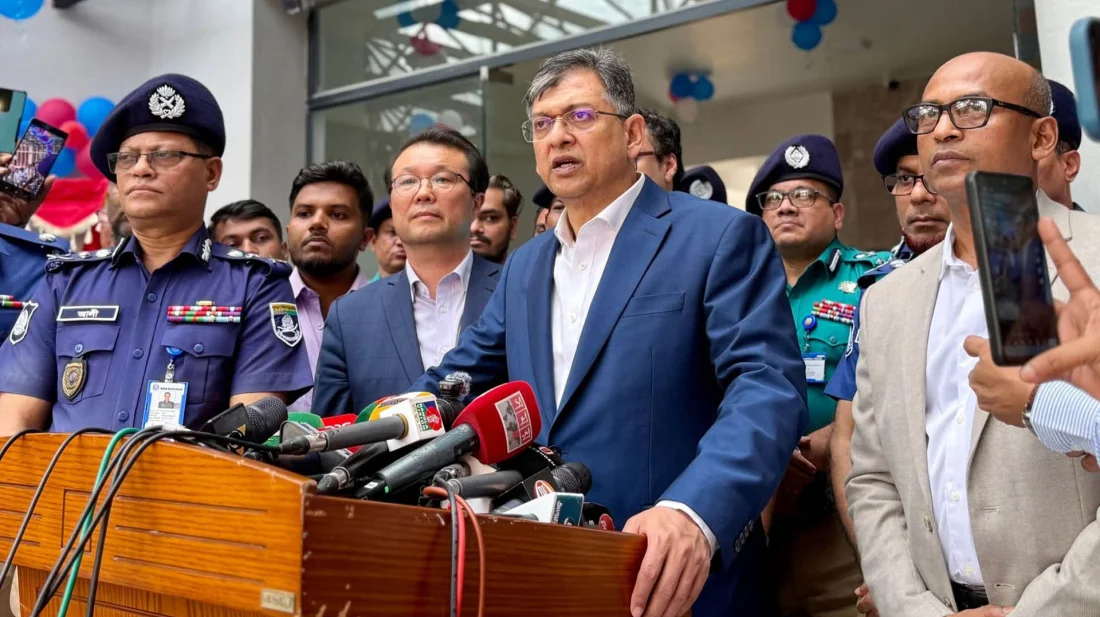
Power, Energy and Mineral Resources Minister Iqbal Hasan Mahmud Tuku has said that during the Liberation War in 1971, a group of politicians, including then Jamaat-e-Islami leader Ghulam Azam, met General Tikka Khan, known as the “Butcher”, and pledged their full cooperation.
“They did not accept 1947, nor did they accept 1971. Yet today, they talk about the sacrifices of 1947,” he said.
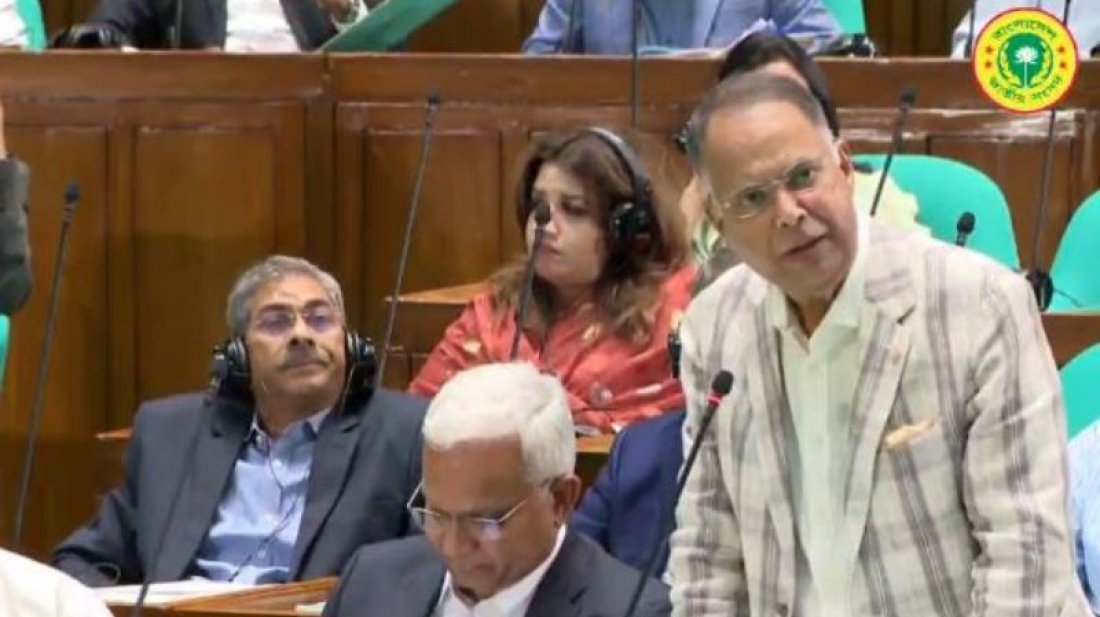
The minister made the remarks on Thursday (April 30) while taking part in the discussion on the motion of thanks on the President’s address on the 25th day of the first session of the 13th National Parliament. Speaker Hafiz Uddin Ahmed Bir Bikram presided over the afternoon session at that stage.
Recalling the history of 1971, Tuku said, “On March 25, 1971, when the Pakistani army unleashed a reign of terror by killing police personnel at Rajarbagh, the nation was disoriented. We were inspired when we heard Major Zia’s declaration of independence. But, regrettably, some politicians, including Ghulam Azam, met Tikka Khan at the time and pledged to help suppress the Bengali people.”
Tuku said, “On April 4, 1971, and on subsequent occasions, Ghulam Azam met Tikka Khan at the Governor’s House with a 12-member delegation. They formed peace committees and the Razakar force and committed crimes against Bengalis fighting for liberation. This is an established historical fact.”
The minister said, “1971 is a source of pride for every person in Bangladesh. Without 1971, we would not be sitting in this parliament today. None of us could have become a member of parliament. Without 1971, we could not have become ministers of this country.
“So I would say that those who talk about 1947 did not accept either 1947 or 1971. Yet today, they talk about the sacrifices of 1947. I do not understand why they bring up 1947.”
“Ghulam Azam and Others Met ‘Butcher’ Tikka Khan in 1971”
Read More